
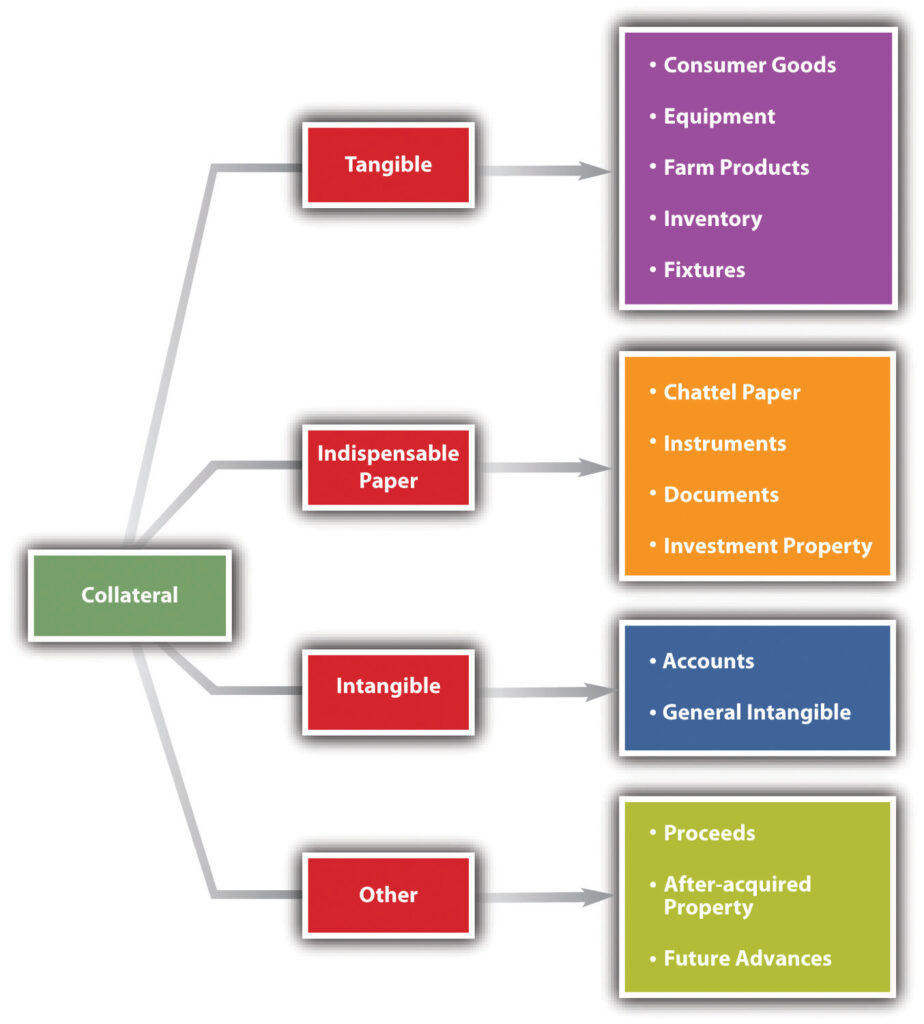
In secured lending, few issues are as critical—or as frequently misunderstood—as purchase money priority. When multiple creditors claim an interest in the same collateral, priority determines who gets paid first. Under Article 9 of the Uniform Commercial Code (UCC), purchase money security interests (PMSIs) can dramatically alter the normal first-to-file priority rules.
For lenders and businesses alike, understanding how purchase money priority works—and how easily it can be lost—is essential to protecting collateral and avoiding costly disputes.
What Is a Purchase Money Security Interest (PMSI)?
A purchase money security interest arises when a lender or seller provides credit that enables a debtor to acquire specific collateral and retains a security interest in that collateral.
Under UCC § 9-103, a PMSI generally exists in two common situations:
- A lender advances funds that are used to acquire specific goods (such as equipment or inventory), and
- A seller extends credit directly to the buyer for the purchase of goods and retains a security interest in those goods.
Because PMSIs facilitate acquisition of new assets, the UCC grants them special priority treatment—if strict requirements are met.
Why Purchase Money Priority Matters
Ordinarily, Article 9 follows a first-to-file or first-to-perfect priority system. However, PMSIs are an exception. A properly perfected PMSI can take priority over an earlier-filed blanket lien covering after-acquired property.
This exception is powerful, but it is also unforgiving. Failure to comply with the technical requirements of Article 9 can cause a PMSI lender to lose priority entirely.
PMSI Priority in Equipment
For equipment, the rules are relatively straightforward:
- The PMSI lender must perfect the security interest (usually by filing a financing statement)
- Perfection must occur within 20 days after the debtor receives possession of the equipment
If these steps are satisfied, the PMSI takes priority over any conflicting security interests, including earlier blanket liens.
Missing the 20-day window is a common—and costly—mistake.
PMSI Priority in Inventory
PMSIs in inventory are subject to stricter requirements because inventory is constantly turning over and often subject to multiple liens.
To obtain priority, the PMSI lender must:
- Perfect before the debtor receives possession of the inventory
- Send authenticated notice to any secured creditor with a conflicting security interest in the same inventory
- Ensure the notice states that the lender expects to acquire a PMSI in inventory
- Deliver the notice before the debtor receives the inventory
Failure to meet any of these requirements defeats PMSI priority, regardless of intent or good faith.
Common PMSI Pitfalls
Purchase money priority disputes often arise from avoidable errors, including:
- Late filing of financing statements
- Failure to identify existing blanket lienholders
- Inadequate or untimely PMSI notices
- Mischaracterizing collateral (equipment vs. inventory)
- Poor documentation tying loan proceeds to specific collateral
Courts apply Article 9 strictly. Substantial compliance is often not enough.
Priority Disputes and Litigation Exposure
When PMSI requirements are not met, disputes typically arise during:
- Borrower defaults
- Foreclosures and receiverships
- Bankruptcy proceedings
- Asset sales and workouts
In these situations, priority determines whether a lender recovers in full, recovers partially, or recovers nothing. Litigation frequently turns on document timing, notice content, and whether funds were actually used to acquire the collateral.
Best Practices for Lenders and Creditors
To protect purchase money priority, lenders should:
- Identify whether collateral is inventory or equipment before closing
- Conduct thorough UCC searches to identify existing secured creditors
- Calendar all filing and notice deadlines
- Use precise loan documentation tying advances to specific collateral
- Confirm filing acceptance and accuracy
- Retain proof of notice delivery to competing creditors
For borrowers, understanding PMSI structures is equally important when negotiating intercreditor arrangements and managing lender relationships.
Conclusion
Purchase money priority under the UCC offers powerful protection—but only for lenders who follow the rules precisely. The difference between a properly perfected PMSI and a failed one can determine the entire outcome of a secured transaction or insolvency proceeding.
Lenders and businesses should treat PMSI compliance as a critical risk issue, not a clerical task. Early legal guidance can prevent costly priority disputes and protect secured positions before problems arise.
About the Author
David Lutz is an attorney and owner of Lutz Law Firm in Minneapolis, Minnesota. He represents financial institutions, businesses, and individuals in secured transactions, banking law, real estate matters, and commercial litigation. With more than 25 years of experience, David advises lenders on UCC Article 9 compliance, lien priority disputes, and creditor rights.
Contact:
[email protected]
612-424-2110
Disclaimer:
This article is provided for informational purposes only and does not constitute legal advice. The information is general in nature and may not apply to your specific circumstances. Reading this article or contacting the author does not create an attorney-client relationship. For legal advice regarding your situation, consult a qualified attorney.